Let’s Make Sport Safer!
Sport and physical activity play an important role in a child’s development. They help children build strong bodies, develop coordination, learn social skills, boost confidence, and stay healthy.
However, around one million Australians are injured playing sport each year. While all sports carry some level of risk, most injuries can be reduced, and sometimes prevented, by following simple safety practices. Taking the right precautions helps ensure children can enjoy being active while staying as safe as possible.
To help you make sports safer, we’ve collated a few of our sports fact sheets, our recent sports safety webinar, sport-related injuries animation and links to other organisations’ sport safety tools and courses.
Key Topics
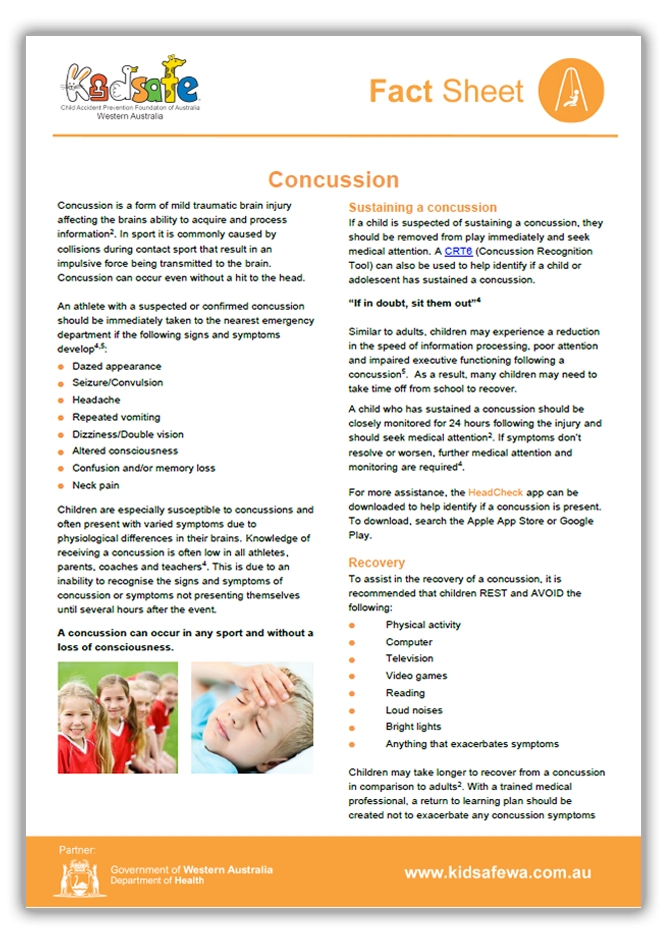
A concussion is a form of mild traumatic brain injury affecting the brain’s ability to acquire and process information. In sport, it is commonly caused by collisions during contact sport that result in an impulsive force being transmitted to the brain.
An athlete with a suspected or confirmed concussion should be immediately taken to the nearest emergency department if the following signs and symptoms develop:
- Dazed appearance
- Seizure/Convulsion
- Headache
- Repeated vomiting
- Dizziness/Double vision
- Altered consciousness
- Confusion and/or memory loss
- Neck pain
A concussion can occur in any sport, without a loss of consciousness.
If you think a child has a concussion:
- Remove them from play
- Do not let them return to the game, training or activity on the same day
- Seek medical attention as soon as possible
- The CRT6 (Concussion Recognition Tool) can help identify the signs of concussion
“If in doubt, sit them out”
A child who has sustained a concussion should be closely watched for the first 24 hours. If symptoms get worse or do not improve, they need further medical assessment.
For more assistance, the HeadCheck app can be downloaded to help identify if a concussion is present.
Download our Concussions Fact Sheet for more information.
Hydration
Drinking enough fluids is an important part of participating in any sport or recreational activity. Staying well hydrated reduces the risk of heat-related illness and can improve physical performance levels.
Children are more vulnerable to heat stress than adults, so it’s important for parents and caregivers to ensure their child drinks enough fluids before, during, and after activity.
- Cool water is the best option for children during sport and physical activity
- Sports drinks are usually not necessary for most children who are taking part in regular activity at school or on the sports field
- A high intake of sports drinks can result in an increased risk of weight gain, as well as tooth decay and erosion.
Heat-related Illness
Long periods of high-intensity physical activity can put the body at risk of heat injury. Endurance sports such as long-distance running or activities with prolonged sun exposure, like cricket, carry a higher risk.
Signs and symptoms of heat-related illness can include:
- Fatigue
- Thirst
- Nausea
- Headache
- Dizziness/Light-headedness
- Confusion
- Collapse
- Pale, clammy skin or dry skin
- Irritability
If a child is suspected of a heat-related illness, remove them from play and administer the following first aid:
- Lie them down in the shade and elevate their legs
- Loosen any tight clothing
- Apply cool or ice packs to the neck, groin and armpits
- Give cool water to drink only if they are fully conscious
- If they do not improve quickly, call for an ambulance
Beat the heat
To decrease the risk of a heat-related illness:
- Drink plenty of fluids before, during and after activity
- Gradually increase exercise intensity and duration
- Wear appropriate clothing for the weather conditions
- Modify training and competitions in extreme heat
- Follow your sport’s heat-management policies
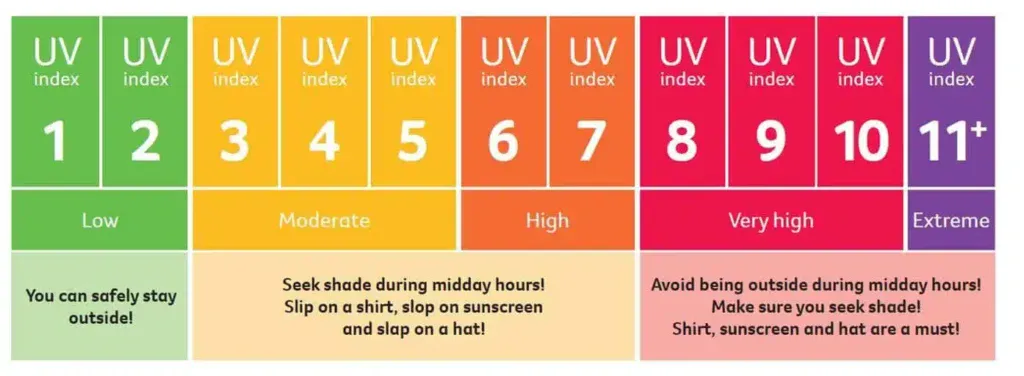
- When the UV index is 3 or above: Slip on a shirt, Slop on some sunscreen, Slap on a hat, Seek shade and Slide on some sunglasses to protect yourself from the sun.
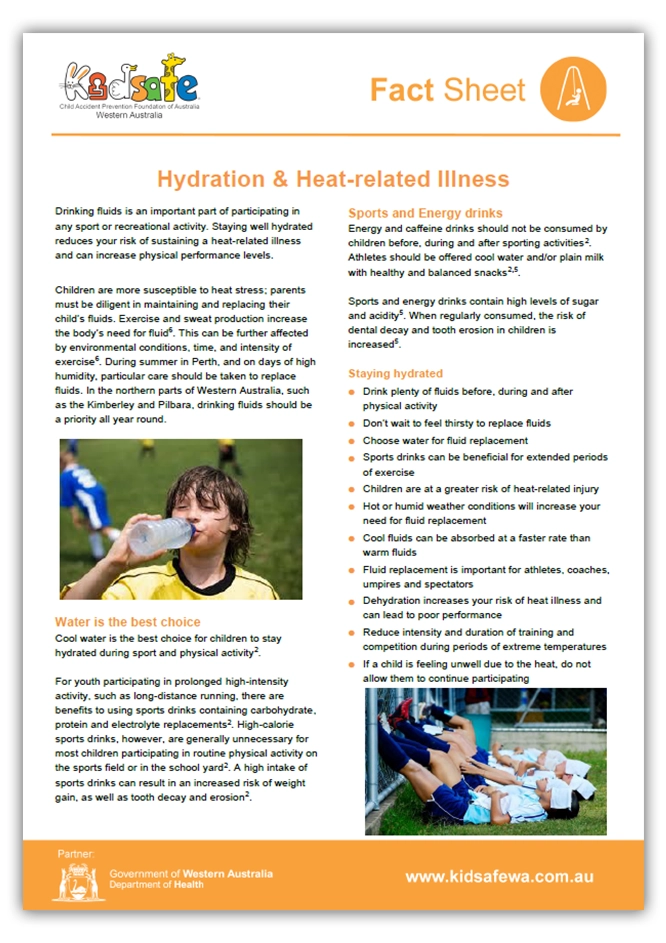
Download our Hydration & Heat-related Illness Fact Sheet for more information.
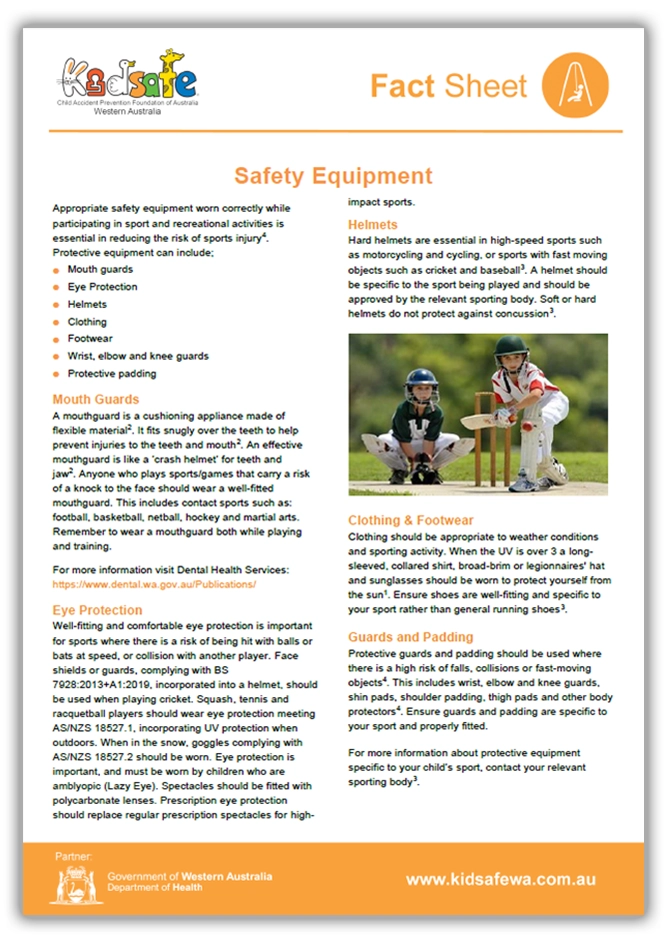
Wearing appropriate safety equipment and wearing it correctly is essential for reducing the risk of injury during sport and recreational activities. Protective equipment can include;
- Mouth guards
- Eye Protection
- Helmets
- Clothing
- Footwear
- Wrist, elbow and knee guards
- Protective padding
Using Safety Equipment
- Equipment should meet Australian Standards
- Protective equipment should always be worn during both training and games
- Check equipment regularly to ensure it is in good condition and well-maintained
- Protective equipment is NOT one size fits all. It should be appropriate for the sport, and suited to the athlete’s size, age and ability
- Senior participants should role model the correct use of protective equipment
- Consult your local sporting organisations or governing body for further details on using protective equipment in your sport
Download our Safety Equipment Fact Sheet for more information.
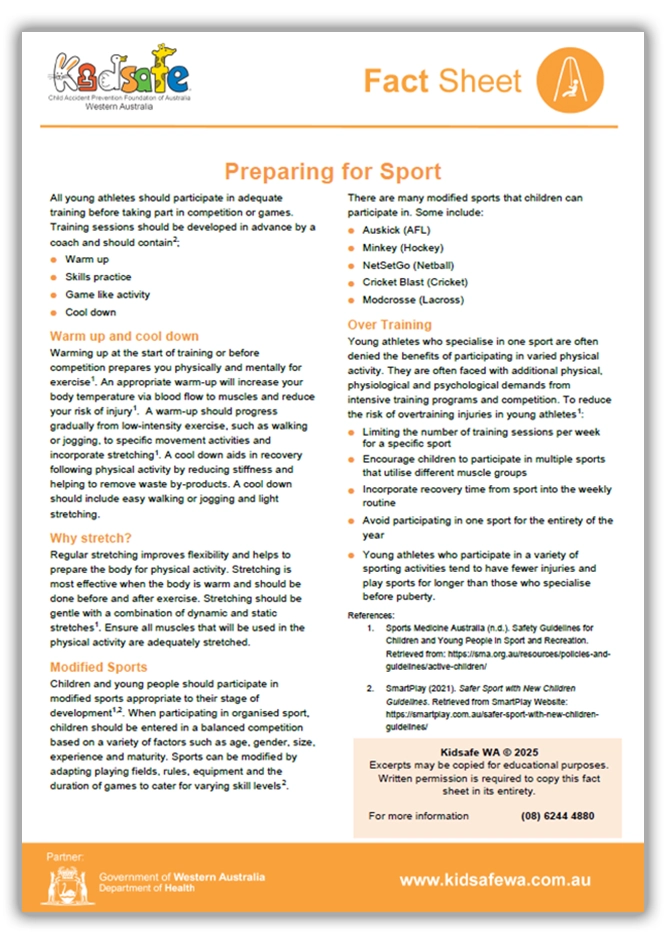
All young athletes should take part in adequate training before participating in competitions or games. Training sessions should be planned in advance by a coach and should contain;
- Warm up
- Skills practice
- Game-like activity
- Cool down
Download our Preparing for Sport Fact Sheet for more information.
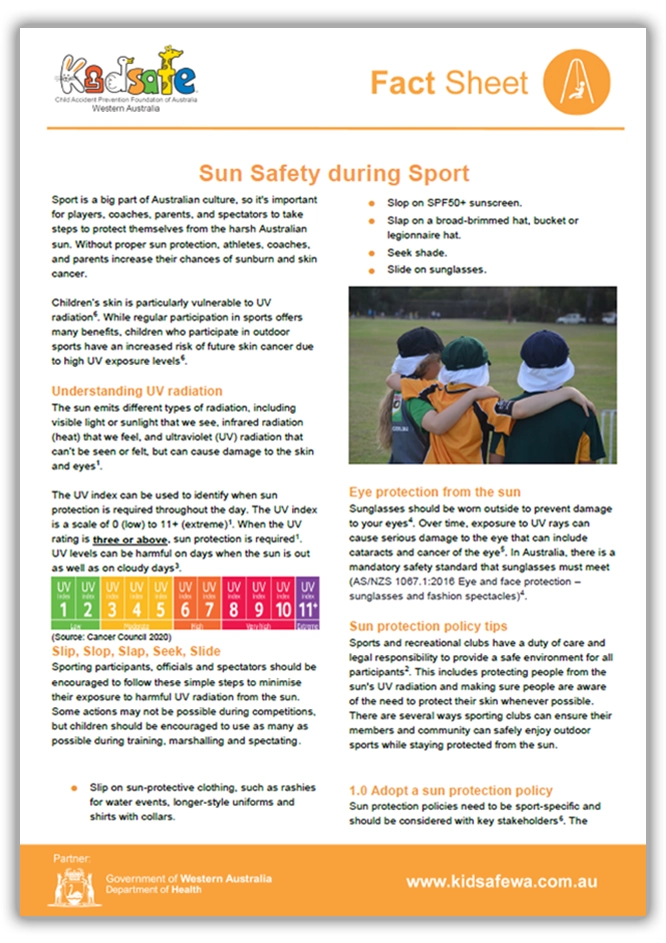
Sport is a big part of Australian culture, so it’s important for players, coaches, parents, and spectators to take steps to protect themselves from the harsh Australian sun. Children’s skin is particularly vulnerable to UV radiation, making sun protection essential during outdoor activities.
UV Radiation
The UV index helps identify when sun protection is required throughout the day. It ranges from 0 (low) to 11+ (extreme). When the UV rating is three or above, sun protection is required. UV levels can be harmful on sunny days as well as on cloudy days.
Slip, Slop, Slap, Seek, Slide
Sporting participants, officials and spectators should be encouraged to follow these simple steps to minimise exposure to harmful UV radiation.
- Slip on sun-protective clothing, such as rashies for water events, longer-style uniforms and shirts with collars.
- Slop on SPF50+ sunscreen.
- Slap on a broad-brimmed hat, bucket or legionnaire hat.
- Seek shade.
- Slide on sunglasses.
Download our Sun Safety During Sport Fact Sheet for more information.
More Kidsafe WA Resources
Animations and Webinars
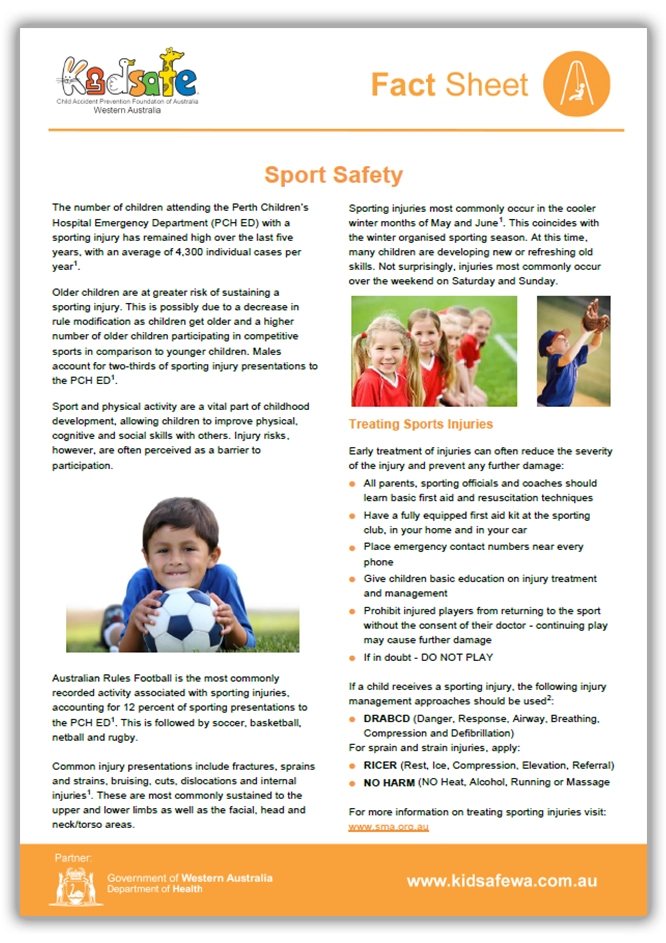
Fact Sheets and Reports
Recommended Resources
Australian Concussion Guidelines for Youth and Community Sport
The Australian Concussion Guidelines for Youth and Community Sport have been designed to provide clear, consistent guidance on concussions for parents, teachers, coaches, staff, and all involved in youth and community sport.
Connectivity Sport-Related Concussion Short Course
The free Connectivity Sport-Related Concussion short course educates coaches, umpires, staff, volunteers and parents to recognise and manage a sport-related concussion injury.
HeadCheck Concussion app
HeadCheck is an evidence-based app that helps identify concussion signs and support recovery.
SMA Extreme Heat Assessment Tool
The SMA Extreme Heat Assessment Tool is an online tool to assess susceptibility to heat risk injuries when playing sport, according to location.
Do you have a sport-related question? Contact us here.